★★★★★
I was pleased with my car's windshield replacement. Everyone was very helpful and very attentive.
Marisela C.Google review
Cooler inside, less glare, and a lot less UV coming through the glass. Which film you pick decides how much of that you actually get. We carry STEK and ULTRAFIT.
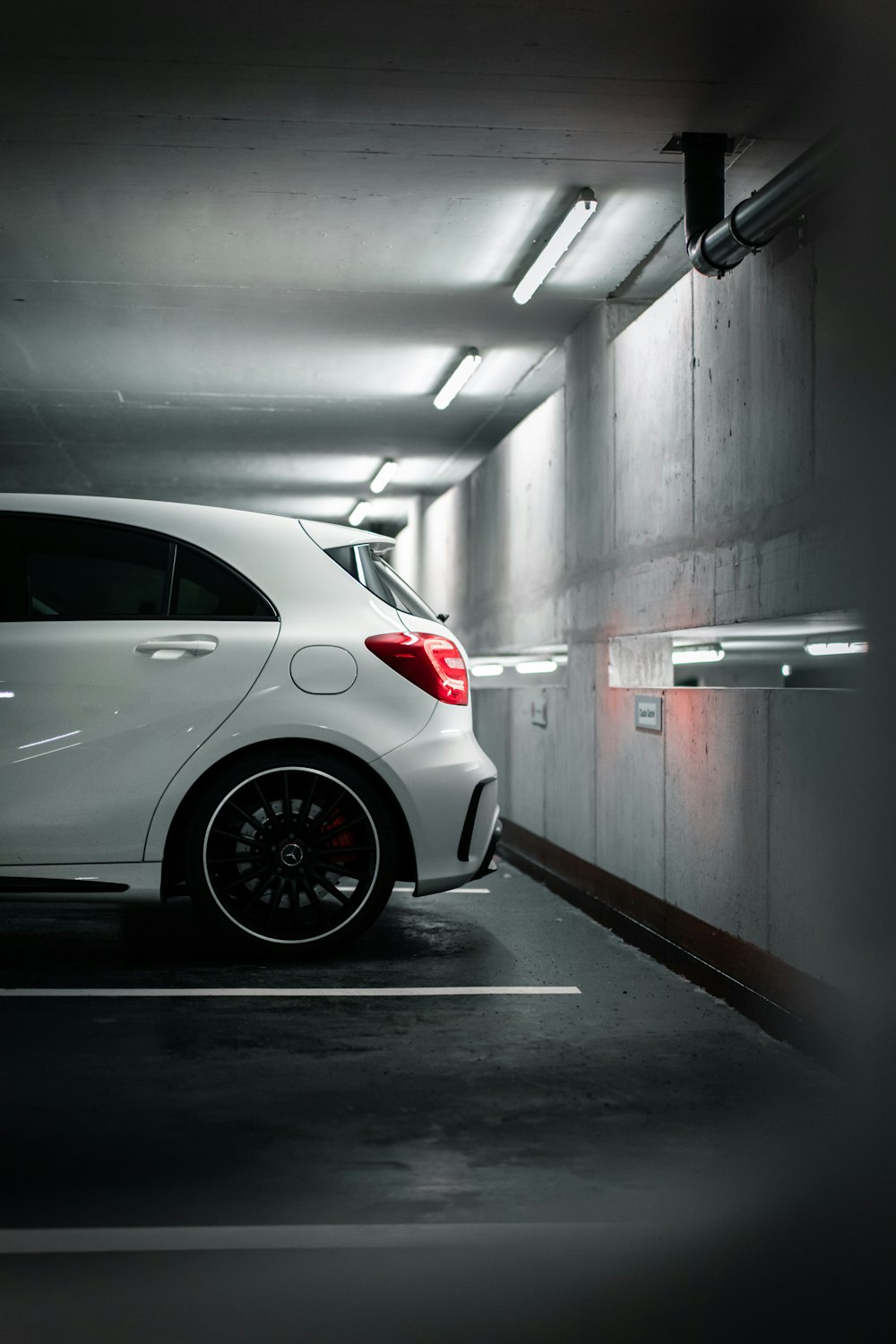
Before you pick a shade
The most common assumption about tint is that darker means cooler. It does not. How dark a film looks and how much heat it blocks are two separate things. A light ceramic film can reject far more heat than a dark dyed one.
So there are really two decisions: how dark you want it to look, and which film you want doing the work. California sets limits on the first one, and we will walk you through what is legal for your vehicle before anything goes on.
Why it matters
Not all tint is the same. This is what separates the film we install from the discount stuff that gets sold as a bargain.
Off-the-shelf
Skip itDyed polyester. Cheap up front, and it tends to show.
STEK · Ceramic graphene
What we installThe top of what we fit. Graphene cooling, no metal in the film.
Choose your film
All three are ceramic, so all three reject heat without going darker. What changes between them is how much. Figures shown are at 35% shade.
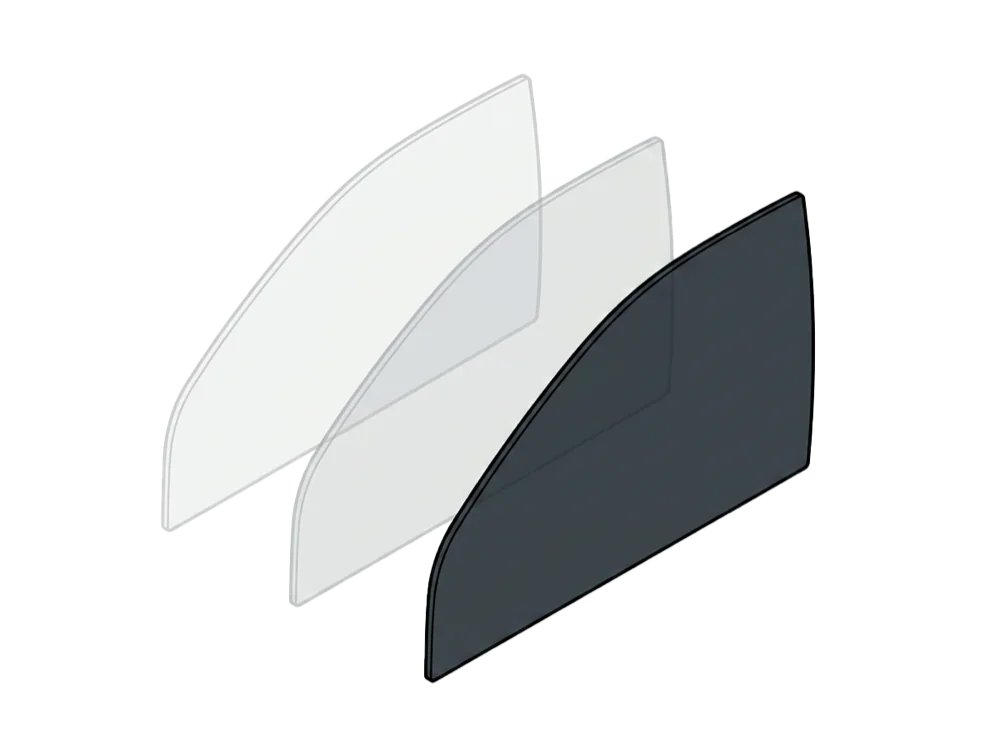
Most popular
Nano carbon ceramic, and where most of our customers land. Real heat rejection without the top-tier price.
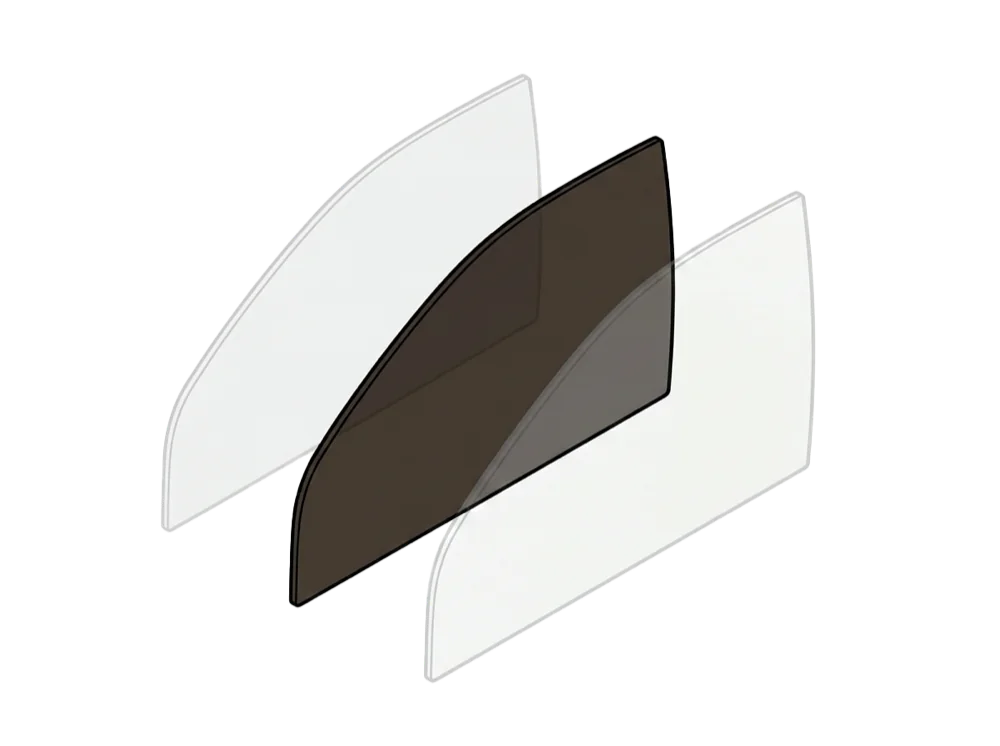
Our recommendation
The same ceramic construction as Comfort, tuned for noticeably more infrared rejection. The one we point most people toward.
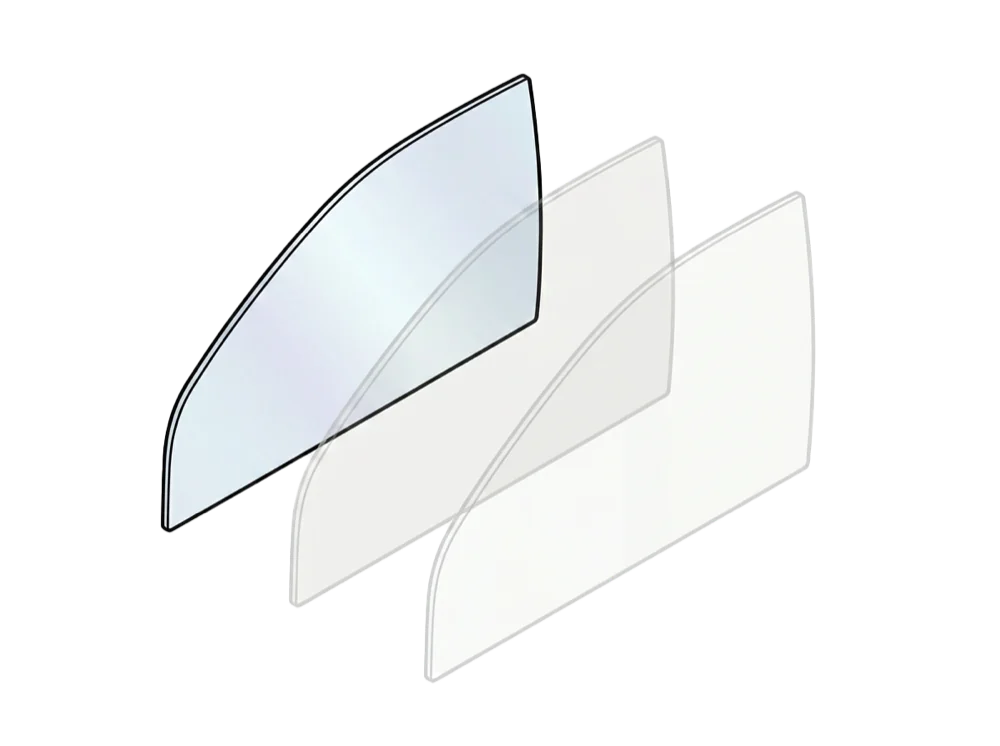
Maximum heat rejection
Ceramic graphene, and the very best we install. For when keeping the cabin cool matters more than anything else.
What people say
I was pleased with my car's windshield replacement. Everyone was very helpful and very attentive.
If you are looking for high quality window tinting and glass protection in the Central Valley, Best Auto Glass in Visalia is the place to go. Their work is always top tier.
Very informative and took care of my thoughts for the work. Quick and friendly service from start to finish.
Common questions
California sets different limits for different windows: the front sides are treated differently from the rear, and windshields have their own rule. It also varies by vehicle type. We will tell you exactly what is legal for your specific vehicle before we start, so you are not guessing.
No, and this is the most common misunderstanding about tint. Darkness and heat rejection are separate properties. A light ceramic film can block considerably more heat than a much darker dyed film. The film technology does the work, not the shade.
The film needs time to cure and the drying time depends on weather. We will tell you how long to leave them up before you drive off, and it is worth following: rolling down early is the fastest way to ruin fresh film.
That is what happens to cheap dyed film as the dye breaks down. Quality film does not do it, which is most of what you are paying for when you move up the range.
Yes. Old film that has started bubbling or discoloring has to come off before new film goes on, and doing it properly matters, especially on rear glass with defroster lines running through it.
Windshield film is treated differently from side and rear glass under California law. Tell us your vehicle and what you are after and we will explain what is allowed.
Ready when you are
Send us the year, make, and model, and we’ll get back to you with a real number. Or just call. Someone here picks up.
Get a quote
Send us the details and we’ll get back to you with a real number.
We’ll get back to you by phone or email within one business day. Need it faster? Call (559) 734-2378.